When We Invest in Women, Everyone Wins
Innovation and change in society will happen faster when women have the power and tools to be changemakers.
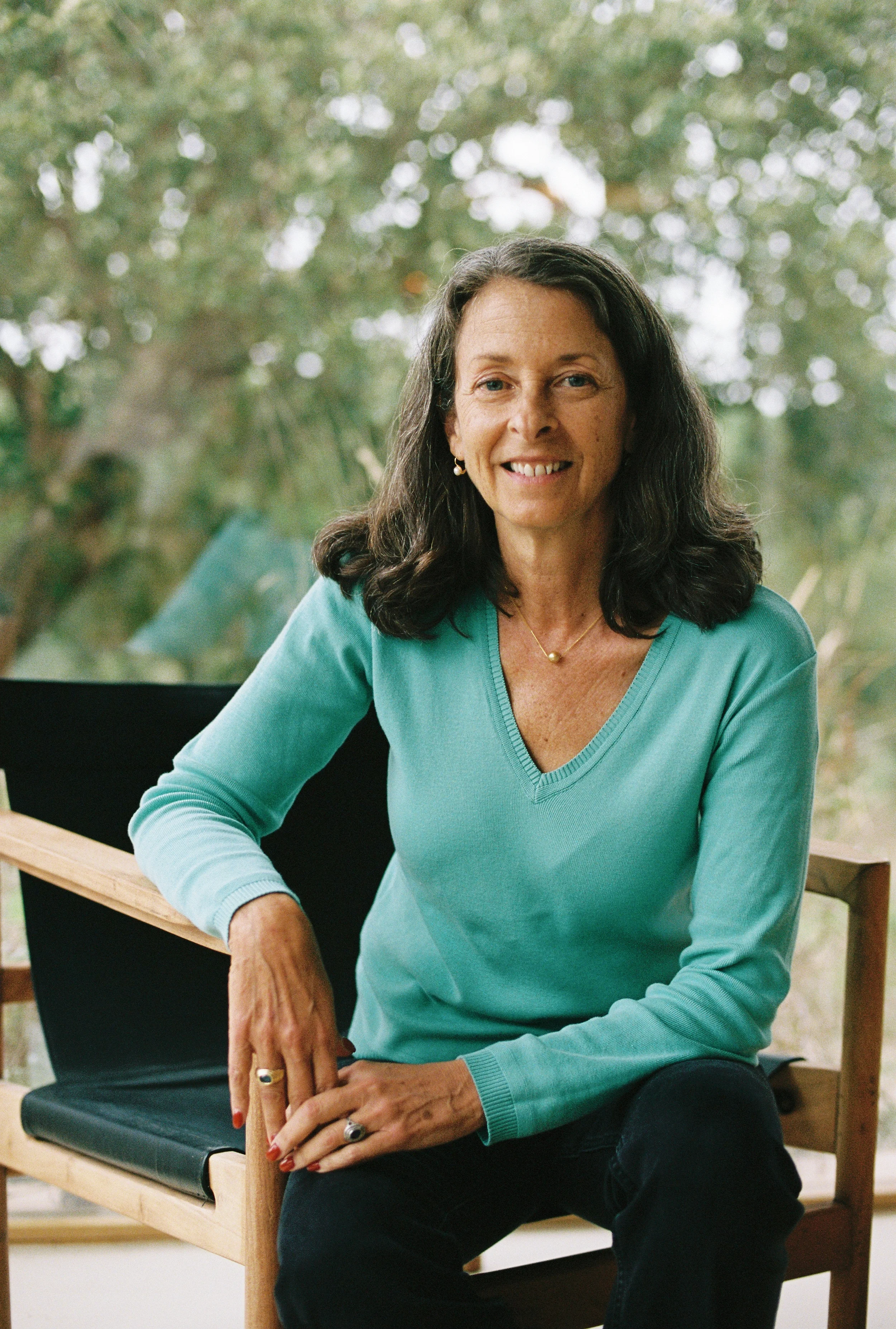
By Ruth Shaber, Futura Foundation President & Co-Founder
A Letter from the Future
ICBAS, School of Medicine, Porto, Portugal
April 6, 2050
Dear Futura,
I am sending you a note from the future to remind you of the huge impact you’ve had on my life, the people of Portugal, and communities around the world.
When I started my fellowship in September 2030, Portugal was a world leader in providing access to contraception and other reproductive health services. But despite providing good access for women, it was assumed that women would solely be responsible for contraception, and there were very few products and little education for men.
Furthermore, the successful programs that Portugal implemented in the early 21st century did not get transferred to the Portuguese-speaking African countries, where services were expensive and hard to access. And even in Portugal, childcare was still very expensive and the burden often fell on women to sacrifice having a fulfilling career because they couldn’t afford daycare.
In 2032, I was lucky to team up with my co-Futura fellows Beatriz and Francisca to creatively address this problem. I was a sociology major, mostly focused on the impact of unintended pregnancies on families, and their economic outcomes. Beatriz was a brilliant microbiologist. Francisca was a super talented artist and fascinated by how art and culture can change communities for the better.
While I was a fellow and living at Futura, I invented the free app (Duh!) that uses AI to instantly match people with the best contraception and other services to prevent unintended pregnancies.
We used drone carriers to quickly deliver products to the customers and the whole system was financed by an angel investor. We piloted Duh! in Lisbon, and now it is being used all over the world and co-funded by local governments.
Shortly after her fellowship, Beatriz was able to get the funding through her mentor at Novartis to develop Agree, the nonhormonal once-a-month contraceptive pill for men and women. And Francisca’s amazing art installation throughout Portugal in 2033 raised awareness about the role men need to play in family planning, and the importance of financial support for parents. This drove the government and private sector to fund men’s education and free daycare programs.
I am grateful that all this work led to my tenured faculty appointment at the School of Medicine where I teach the core curriculum on how community and social behavior directly impact health outcomes. I’m proud to report that this curriculum has been copied by most medical schools around the world. Now that AI delivers all our direct medical care, it’s more important than ever that our doctors learn about the community side of medicine—something AI can’t do.
My journey began at Rua da Emenda 58 with all the support I received during my fellowship. The partnerships with my fellows and mentors were essential. But most importantly, the fellowship gave me the confidence to be audacious and change the world.
Sending you lots of love and hope for the future,
Camila Santos
Rua do Alecrim 47, Lisbon, Portugal
April 27, 2026
Dear Futura Community,
Sitting in our temporary offices of the Futura Foundation in Lisbon, I am thinking about the lives of these three fellows of the future—Camila, Beatriz and Francisca. They knew the importance of supporting people and their childbearing choices, and giving them help to raise their children without having to sacrifice their own well-being. The evidence that supports the cost-effectiveness and benefits to society of this approach has been well documented for decades, and yet our systems and our culture have been very slow to adapt.
It’s exciting to imagine a future where money flows towards women’s health innovations and an economy that takes care of caregivers and children. At Futura we believe that this type of innovation and change in society will happen faster when women have the power and tools to be changemakers.
In my career as an obstetrician/gynecologist, a philanthropist, and an investor, I have seen over and over again that some of the biggest barriers to innovation are not logical. Even though contraception and quality maternal health care improves everyone’s life (not just women’s), it is extraordinarily underfunded.
The technologies that are the standard of care now in 2026 are essentially the same as when I started my medical career in 1986. And yet, the amount of money from governments, philanthropy and investors that goes towards research and development in this sector is a fraction of what is invested in other branches of science.
Even though women are the largest consumers of healthcare services and have been shown by research to be superior investors, they take up a small number of seats at venture capital funds, boards of pharma companies, or the leadership of healthcare systems. Furthermore, new companies that address women’s health needs are consistently underfunded.
At Futura, we have this crazy idea that by providing foresight training, mentorship, role models, and exciting career paths for talented young women in Portugal, we will reverse these and many other trends, and provide a workforce of audacious rock stars that will truly change the world.
We hope you will join us on this journey to the future.
See you tomorrow,

Ruth Shaber, MD
Futura Foundation President & Co-Founder