The Future Ends With an A
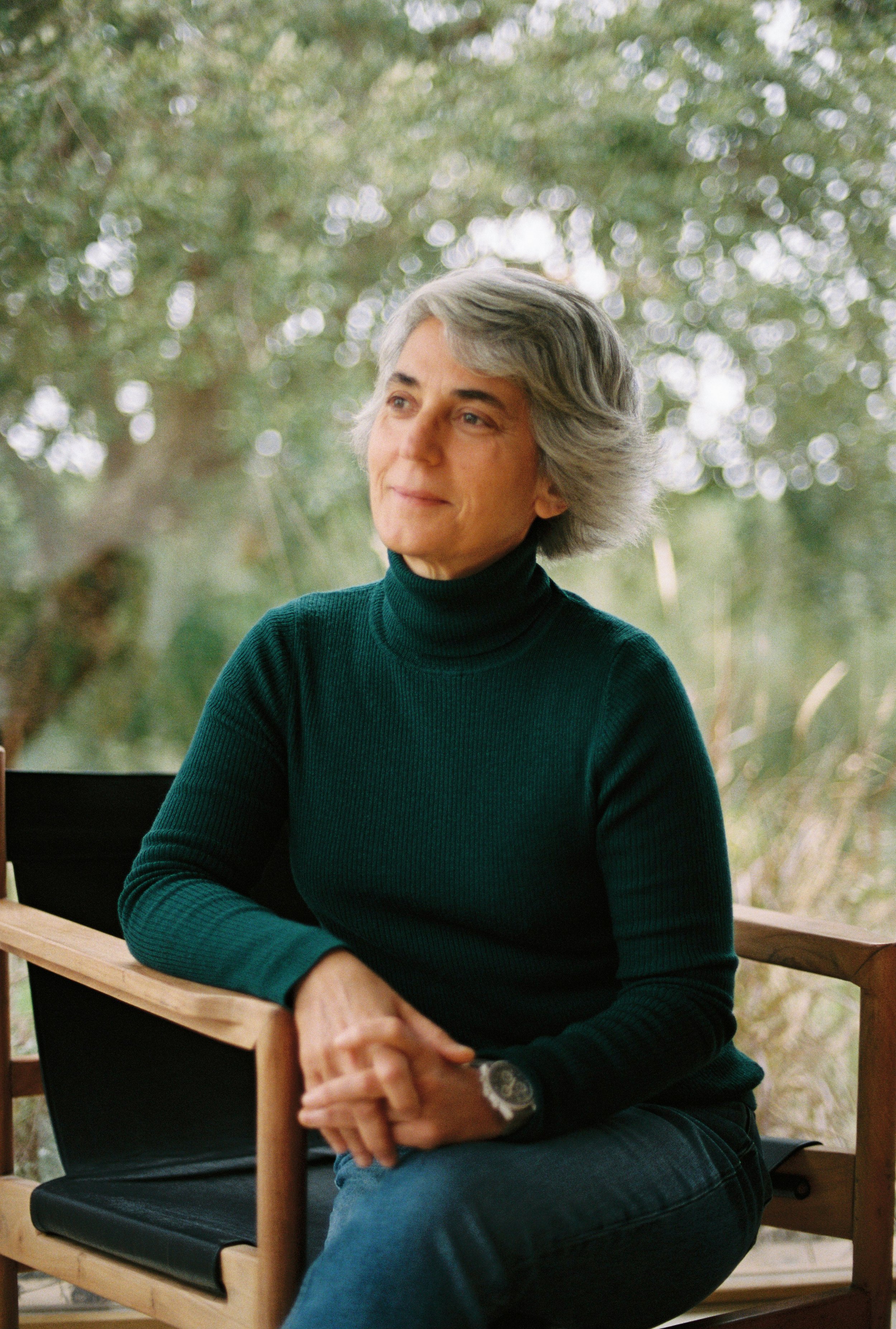
By Graça Fonseca
1856. A woman sets up two glass cylinders, fills them with different gases, places a thermometer in each. She puts them in the sun and watches. The cylinder with carbon dioxide warms faster. And it stays warm long after she moves it to the shade.
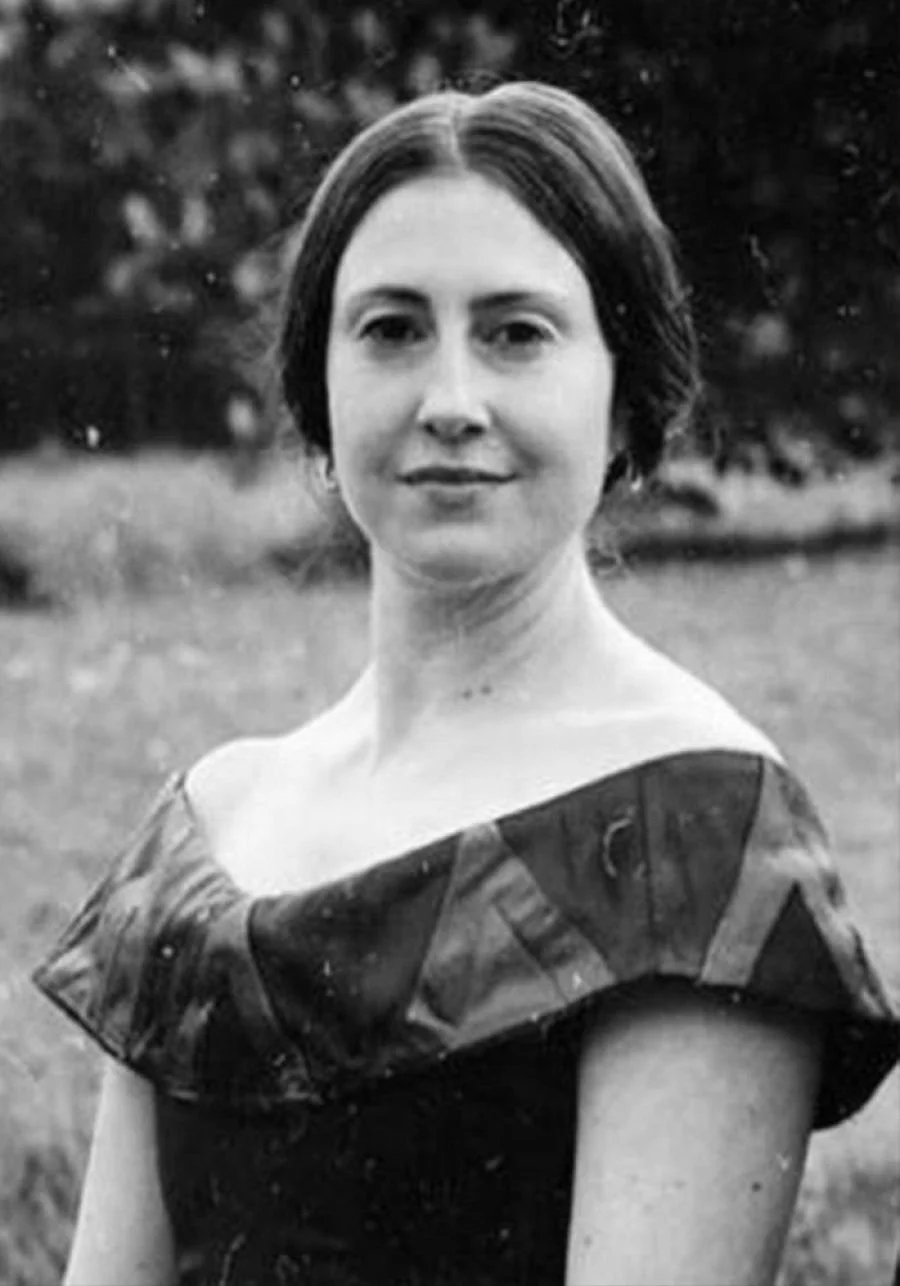
Eunice Newton Foote, image source rtve.es
From that simple experiment, Eunice Newton Foote drew a single conclusion: the concentration of carbon dioxide in the atmosphere determines the temperature of our entire planet. She wrote it into a short paper — "Circumstances Affecting the Heat of the Sun's Rays" — affirming that an atmosphere of carbon dioxide would give to our earth a high temperature. She had found the mechanism of global warming.
But science was for men only. Women were only allowed in the audience. So, Eunice took her seat at the 1856 meeting of the American Association for the Advancement of Science and watched a man present her research. Her name disappeared. Her work was ignored for 150 years, overshadowed by Irish physicist John Tyndall, who reached similar conclusions three years later and received all the credit. There is even a crater on the moon named for him. Only in 2011 did a scientist stumble upon her story and give the world her name back.
At twelve years old, Ada Lovelace wanted to fly. She examined birds. She studied materials that could serve as wings. She never flew — but her imagination took her somewhere further.
Working alongside Charles Babbage on his Analytical Engine, Ada saw what Babbage could not. His engine was not just a calculating machine, but a device capable of composing music, manipulating symbols, solving problems beyond arithmetic. She saw, in other words, the computer. In 1843, she published what we now recognize as the first algorithm ever designed to be processed by a machine — and described, nearly two centuries ahead of her time, the creative possibilities of computing.
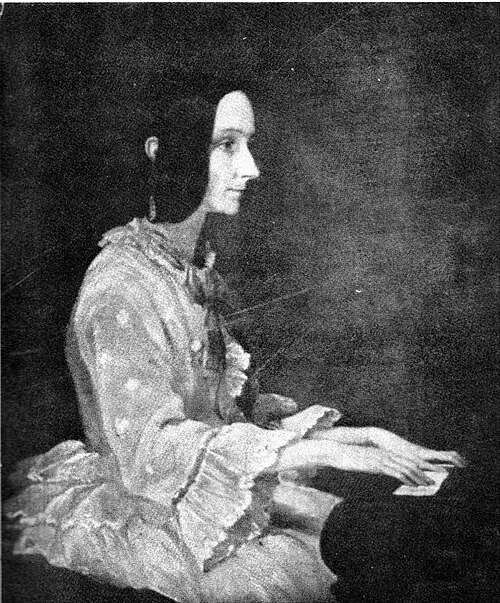
Ada Lovelace, Image Source: Wikipedia
Two women. Two founding moments in modern science and technology.
Two histories kept invisible for over a hundred years.
The names have changed. The mechanism not so much.
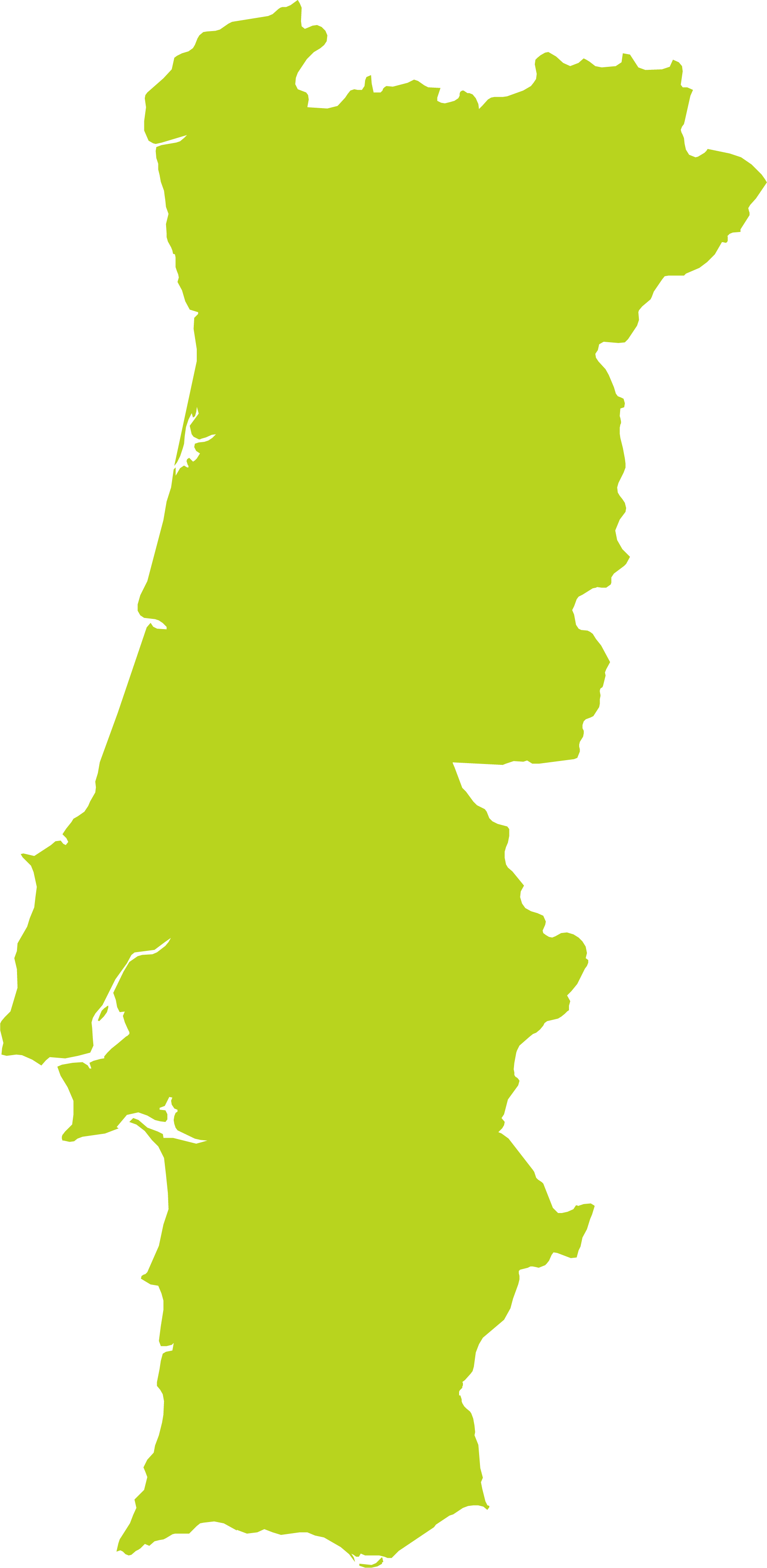
The talent is here.
Today, women have a more recognized role in science, industry, arts, and politics. Women inventors are shaping the fields that matter most — sustainability, climate, health, biotechnology.
Portugal has one of the highest rates of women among patent inventors in Europe: 27%. More than double the European average. The reason is that, in my country, invention is born largely in the academic ecosystem — and women are the majority there, in universities, in research centers, in doctoral programs.
But as careers advance, women disappear. Fewer startups founded. Fewer independent patents registered. Fewer names attached to the inventions that come from industry. The disparity has not gone away. We still live in deeply unequal societies. And today, dangerously, political winds are pulling us back toward the world where women's inventions are presented by men.
The talent is here. Unmistakably, undeniably here.
What is missing is the infrastructure to sustain it — the community, the network, the resources to go further and stay further.
FUTURA was born from that gap. And from the belief that Portugal — this country where the talent exists and the structure does not yet match it — is exactly the right place to close it.
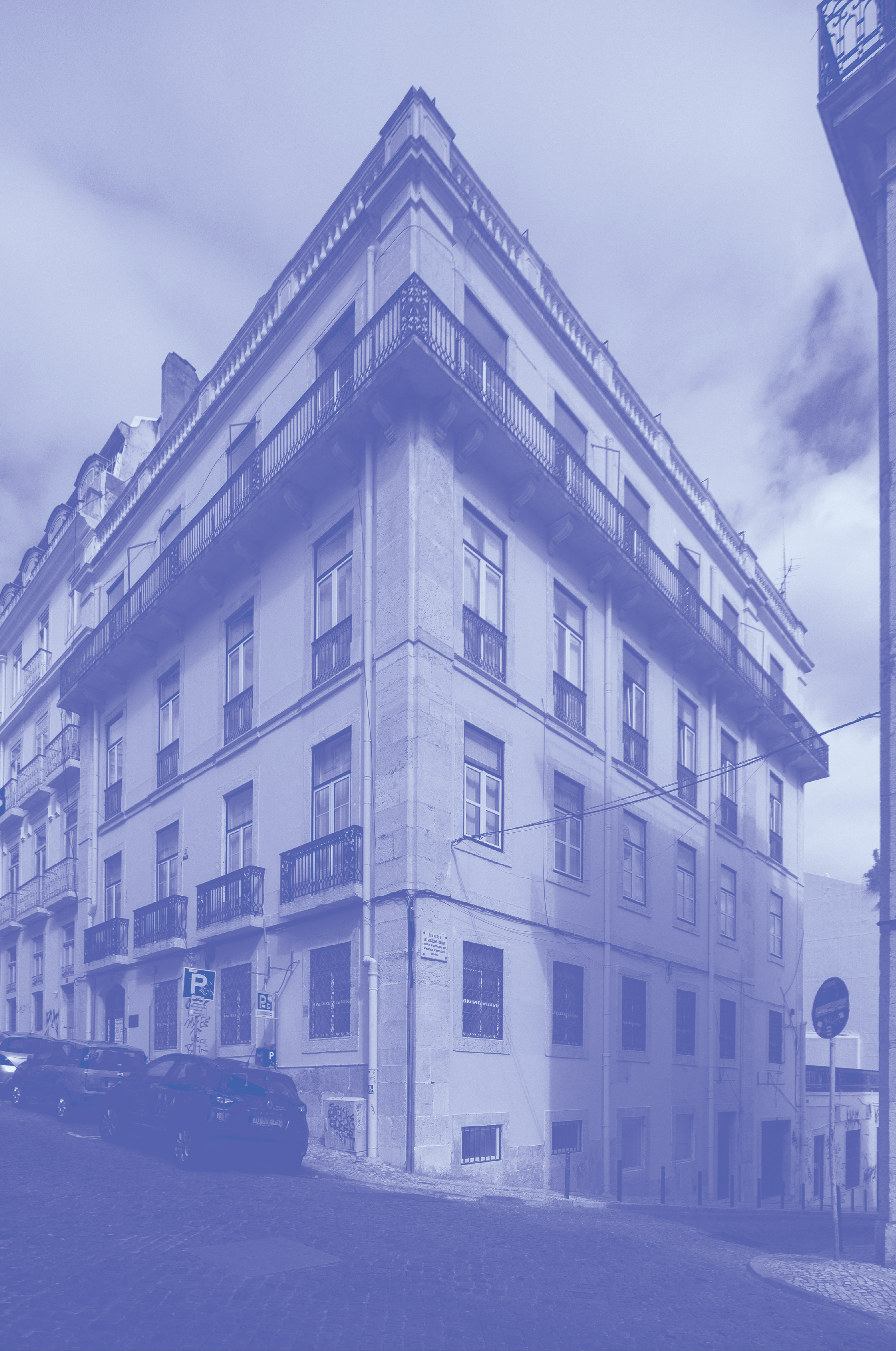
And in Lisbon, that gap has a very physical dimension.
Lisbon is in the middle of a housing crisis. A perfect storm — tourism, foreign investment, short-term rentals, decades of underbuilding, a city the world suddenly decided it wanted. A young woman arriving in this city today — brilliant, determined, ready to work on the hardest problems of our time — cannot afford to live here. We refused to accept that.
So, the FUTURA founders bought a building. Not to develop one more hotel or a luxury house, but to be a home for the women who are trying to build a better world. Rua da Emenda, Chiado. A home that cannot be taken away by a rent increase.
FUTURA: a home, a community, a place to imagine a new world
Born in Portugal, open to the world.
FUTURA is a diverse community of future thinkers, dreamers, and doers — supporting audacious and talented women to shape the emergence of a newly imagined world.
FUTURA is a home in Lisbon, with open windows to the globe. A building in the heart of the city, where young women at the beginning of their careers will live and work together. They will come from all backgrounds. Scientists, artists, engineers, mathematicians, policy builders, social makers, tech inventors — and fields of knowledge we haven't yet named. They will work on the challenges that will define how we will live in the future: climate change, democracy, inequality, artificial intelligence, education, migration, demography — the list is long, the urgency is exponential.
These young women will have access to mentors, masterclasses, international networks, community immersion, participatory future-building, arts and cultural events. They will develop imagination skills and future thinking abilities. And the inner resilience to use them.
They will also have something most institutions forget to offer: inner development care. Coaches who help them understand themselves — their energy, their limits, their fears, their extraordinary potential. Someone who will ask them: and how are you doing?
Because you cannot tend to the world if no one tends to you.
Climate change, the erosion of democracy, the exponential impact of artificial intelligence — all compounded by a crisis that may run even deeper: a crisis of collective imagination. Of our capacity to see, clearly and boldly, the future we know we need.
FUTURA is our answer to that crisis. A global reference in future thinking, women's agency, and transformative imagination. A living ecosystem. A high-impact platform. A laboratory for imagining and experiencing preferable futures. A vibrant center of cultural and intellectual production. And a community.
The community we always needed.
FUTURA
FUTURA is not a neutral word.
In Portuguese, as in all Romance languages, nouns carry gender. The future — o futuro — is grammatically masculine.
We could have chosen a neutral name. But we don't want to be future neutral.
The world is built by people who make choices and act on them. The past was not neutral. For most of recorded history, those choices were made overwhelmingly by men — not because women lacked the capacity, but because the systems we built in science, in finance, in technology, in policy were designed to keep women at the margins.
FUTURA ends with an A. That single letter carries centuries of invisible work — and a future that refuses to repeat it. It is the voice of Eunice Foote, Ada Lovelace and every woman who imagined something that got lost in time and space. It is not a suffix. It is a promise. A reckoning. A beginning.
The name FUTURA is not a detail. It is a declaration — a small grammatical act of resistance and intention. We will fight for a future that is predominantly decided and built by women. A world where Matilde will write us this letter.
A Letter from the Future
Rua da Emenda, Lisbon, 2039
I am writing this from Rua da Emenda 58. I came back to the Futura building — my home away from home, my community, my space of creation. I came to mentor two fellows living here. And, of course, to be with all the friends I made inside these walls.
It is early morning. The city hasn't woken up yet. I have my coffee. I have the window open. And I have ten years of distance from the day I arrived here — twenty-three years old, carrying everything I owned in two bags.
I came from a small town in the interior of Portugal. I had an idea that everyone told me was too complicated, too early, too much. An idea about using mycelium networks — the underground language of forests — to build living carbon sinks in degraded soils. My professors were kind. But no one gave me a room, a table, a community, and said: go.
FUTURA did.
I spent one year in this building. I worked alongside a climate economist from Maputo, a bioethicist from São Paulo, a water engineer from Karachi. We argued, we failed, we started again. Our mentors taught us that the world doesn't reward patience — it rewards persistence. We learned to think in decades, not in deadlines. We learned that imagination is not a luxury. It is the first act of construction.
My project is now alive and growing — from Portugal, across the globe. Last year, I received the Gulbenkian Prize for Humanity.
But I want to tell you something the numbers and prizes don't say. The mentors were real. The network was real. The protected time, the people who looked at my work and said this is where you're wrong and this is where you're brilliant — all of it lives in me. But underneath every resource was something harder to name. A moment of understanding, deep and irreversible: that I was not too much. That the world needed exactly what I was trying to build. Someone had built the infrastructure for me to believe that.
FUTURA didn't just give me tools. It gave me the ground to stand on. And that changed everything.
Thank you, FUTURA.