By Futura Foundation
What if children in Coimbra could put a question to city leaders and count on a written answer? What would it feel like to walk through a calmer city centre?
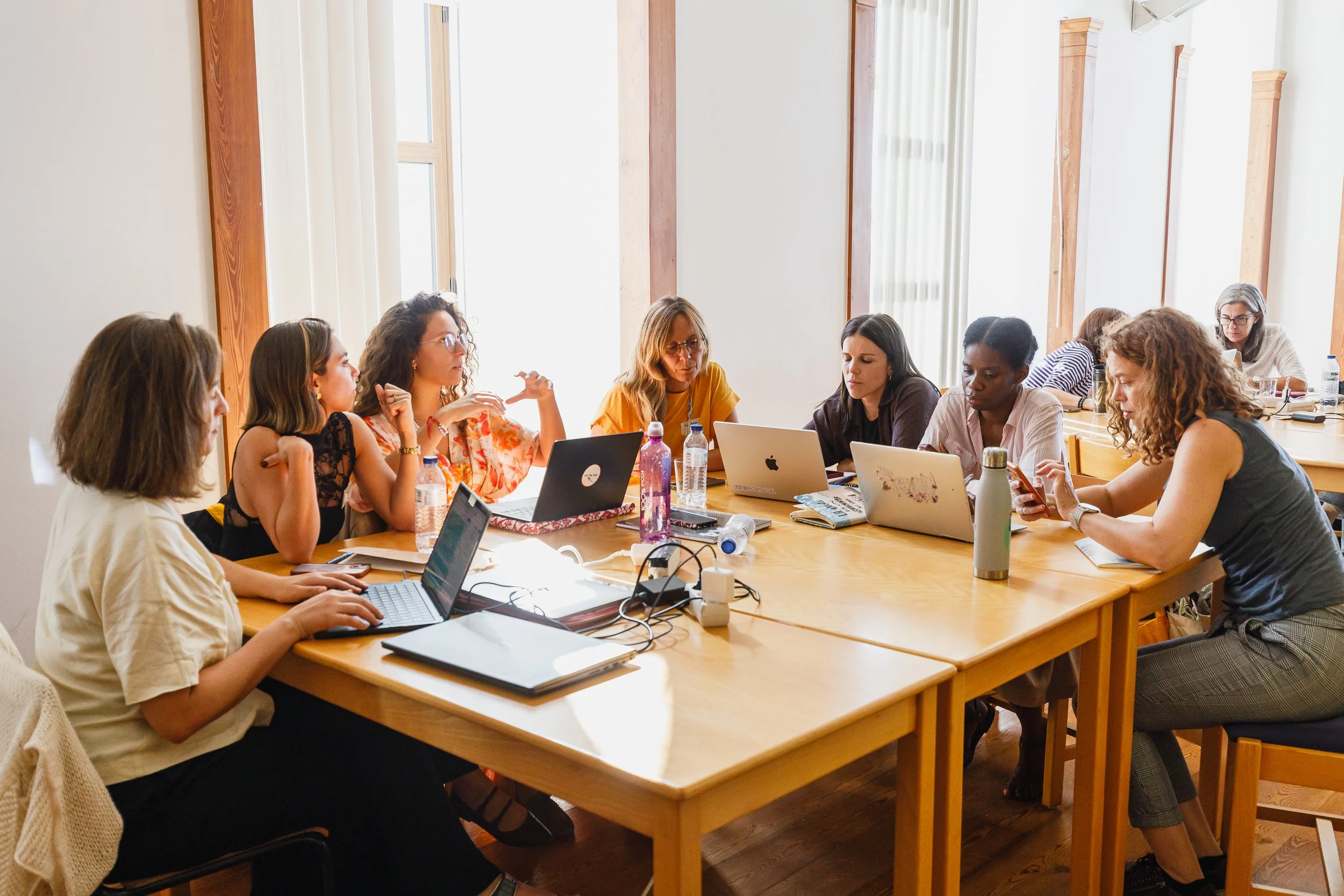
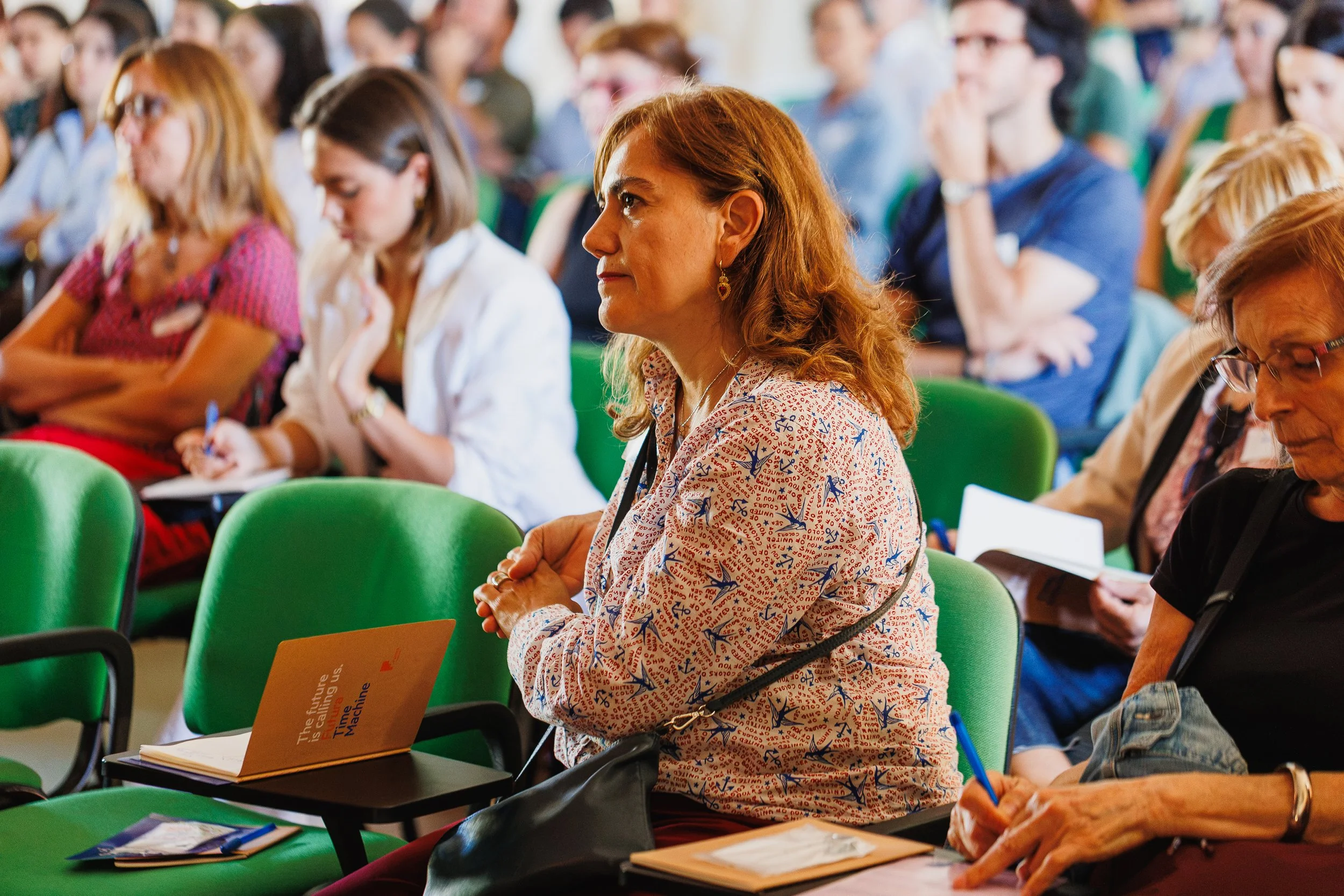
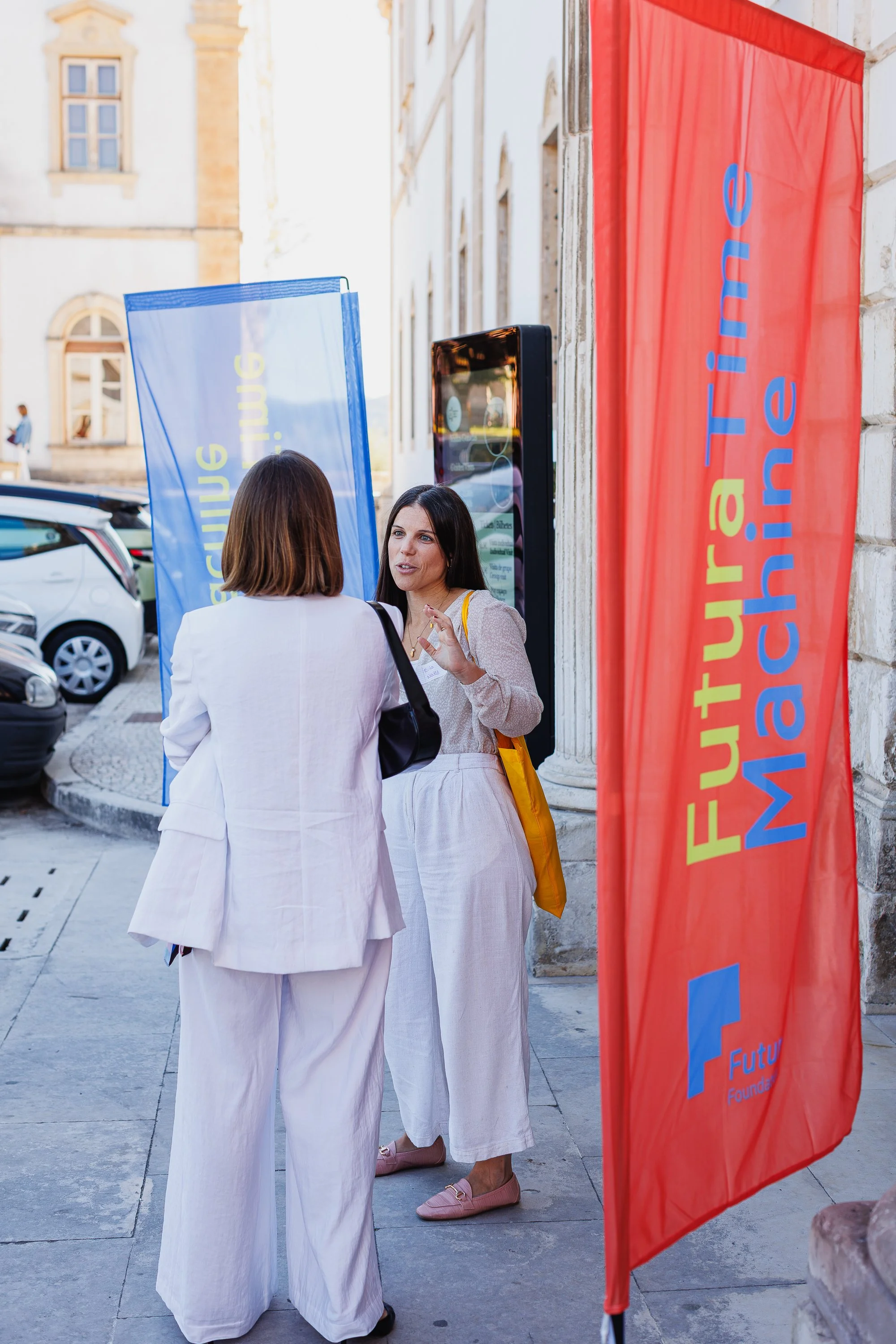
On 9 October 2026, at the Seminário Maior de Coimbra, Futura Foundation boarded the Futura Time Machine and set a course for 2050. At the Public Imagination Forum, participants imagined how Coimbra could change and drafted 45 proposals for what could begin now.
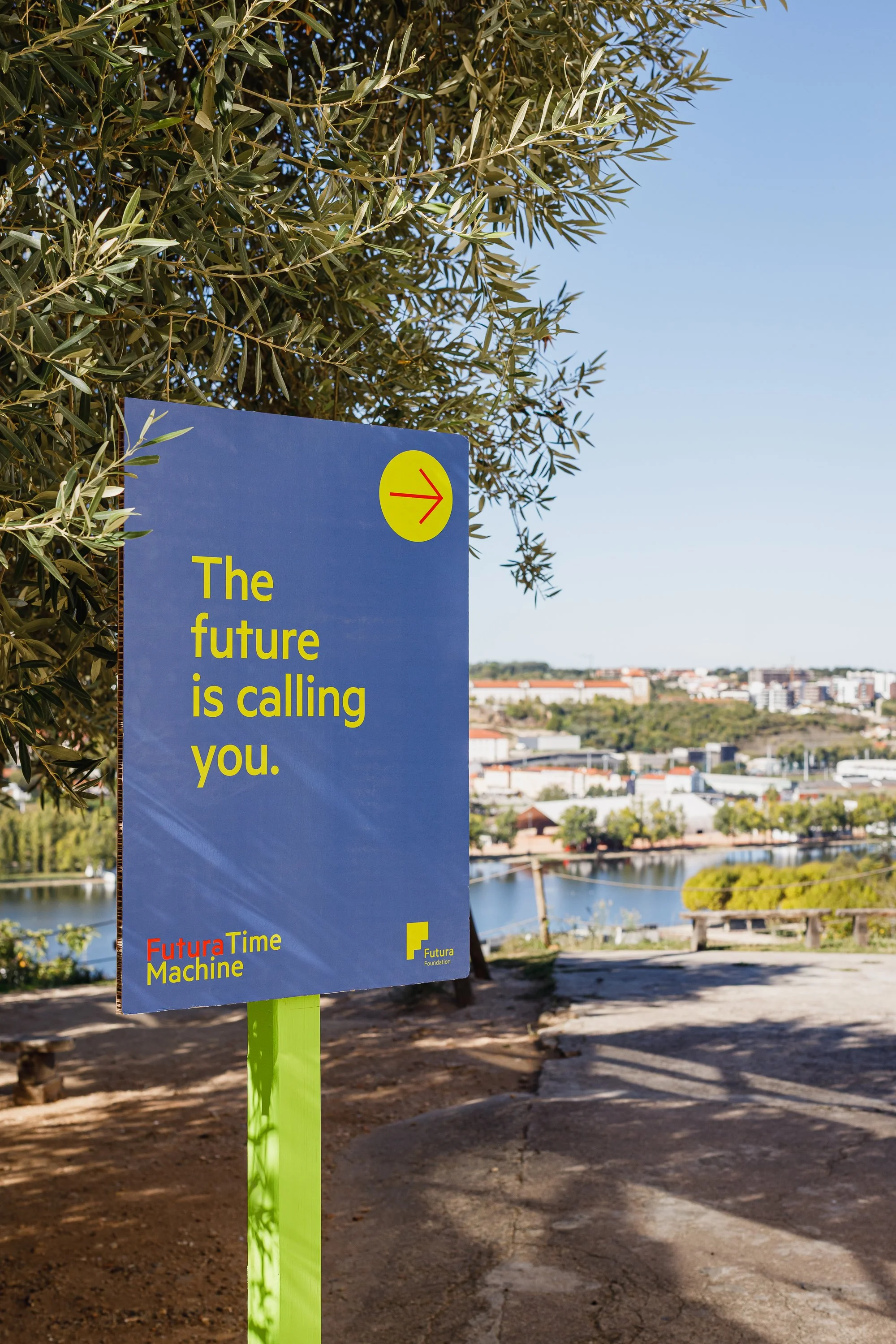
Futura Time Machine travels across Portugal, inviting people to imagine possible futures at the intersection of sustainability, social justice, art, and democracy. Coimbra was the second stop, following Porto.
Incredible speakers and facilitators joined us throughout the day to truly create the time travel experience, including Jon Alexander, author of the book Citizens and well known voice on participatory democracy and the power of citizens; Katy Rubin, founder of The People Act: a new resource hub for Legislative Theatre; Luís de Matos, Portuguese magician know for his show, Impossible; and food heritage scholar João Pedro Gomes, who helped us explore the intersection between food and democracy.
Before the journey: the Futura Lab Fellows
The journey began a day earlier, on 8 October, with the Futura Time Machine Fellowship: Coimbra. Twelve Fellows developed two scenarios for Coimbra in 2050: The city where we learn and A city that moves. The next day, those scenarios became the starting point for the public forum.
“The City Where We Learn”
The Fellows imagined a Coimbra that learns together. What would it take for schools, universities, families, and community organisations to learn from one another? And what would change if children and young people helped shape the decisions that affect them?
One proposal in the Coimbra report makes that idea tangible. A standing panel of children and young people, selected by lottery from schools across the city, would meet with city leaders. The city would give the panel a written response to the ideas it adopts.
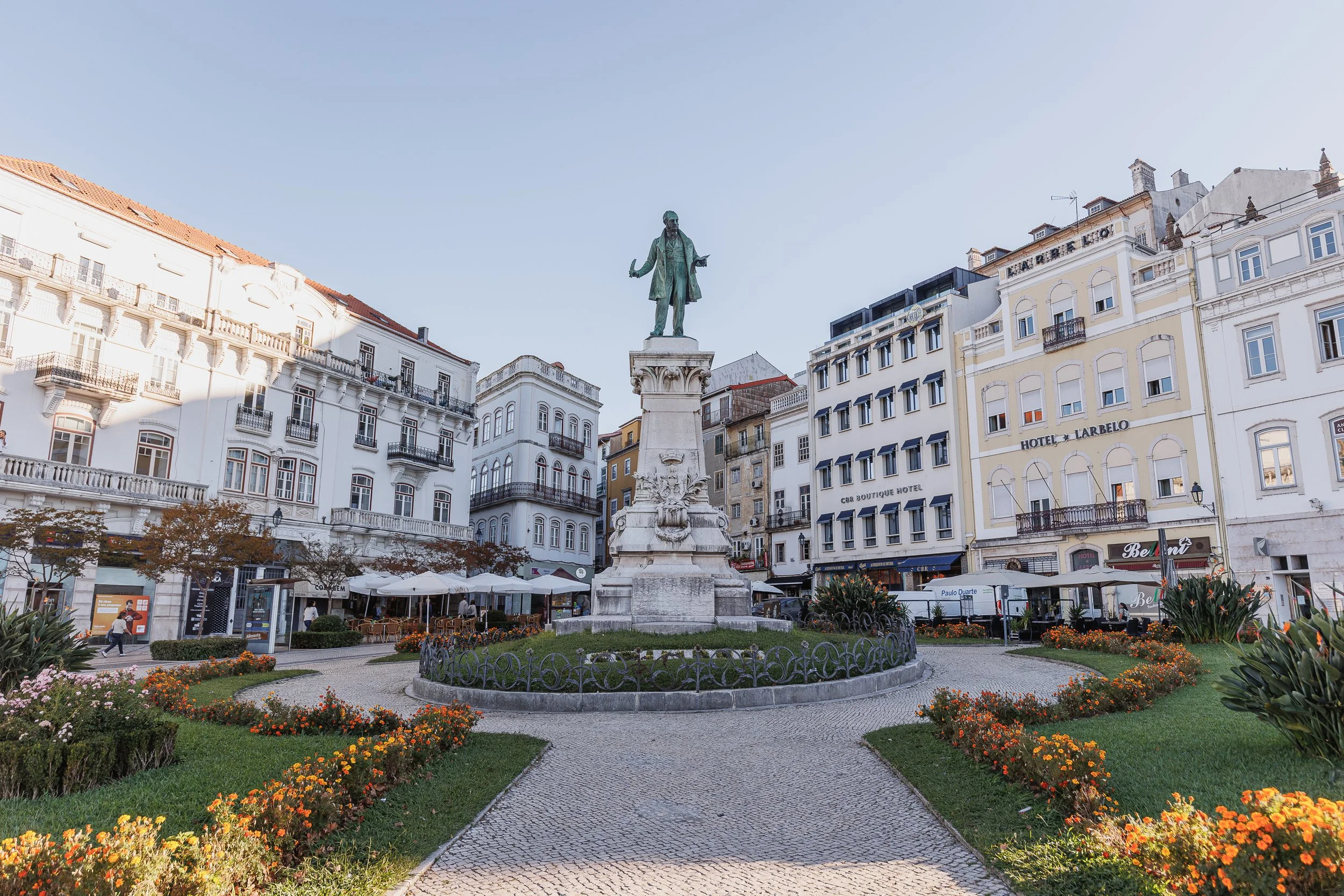
“A City that Moves”
The Fellows pictured streets shaped around people, in a city where taking public transport would be easier than driving.
One proposal would start in Coimbra’s UNESCO area, testing a 30 km/h speed limit before extending it across the city centre. It also proposes moving parking to green car parks at the city entrances.
From challenge to proposal: Legislative Theatre
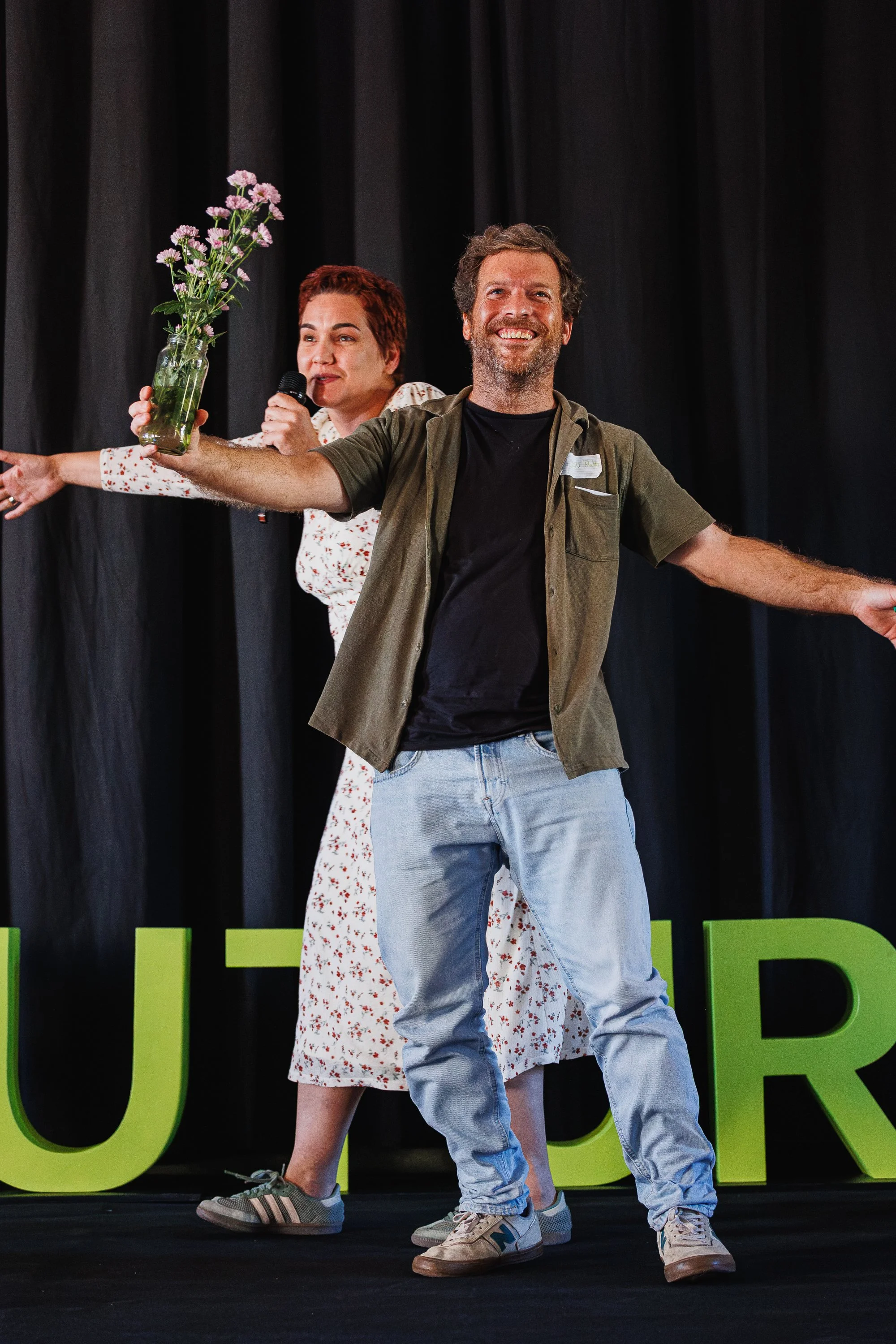
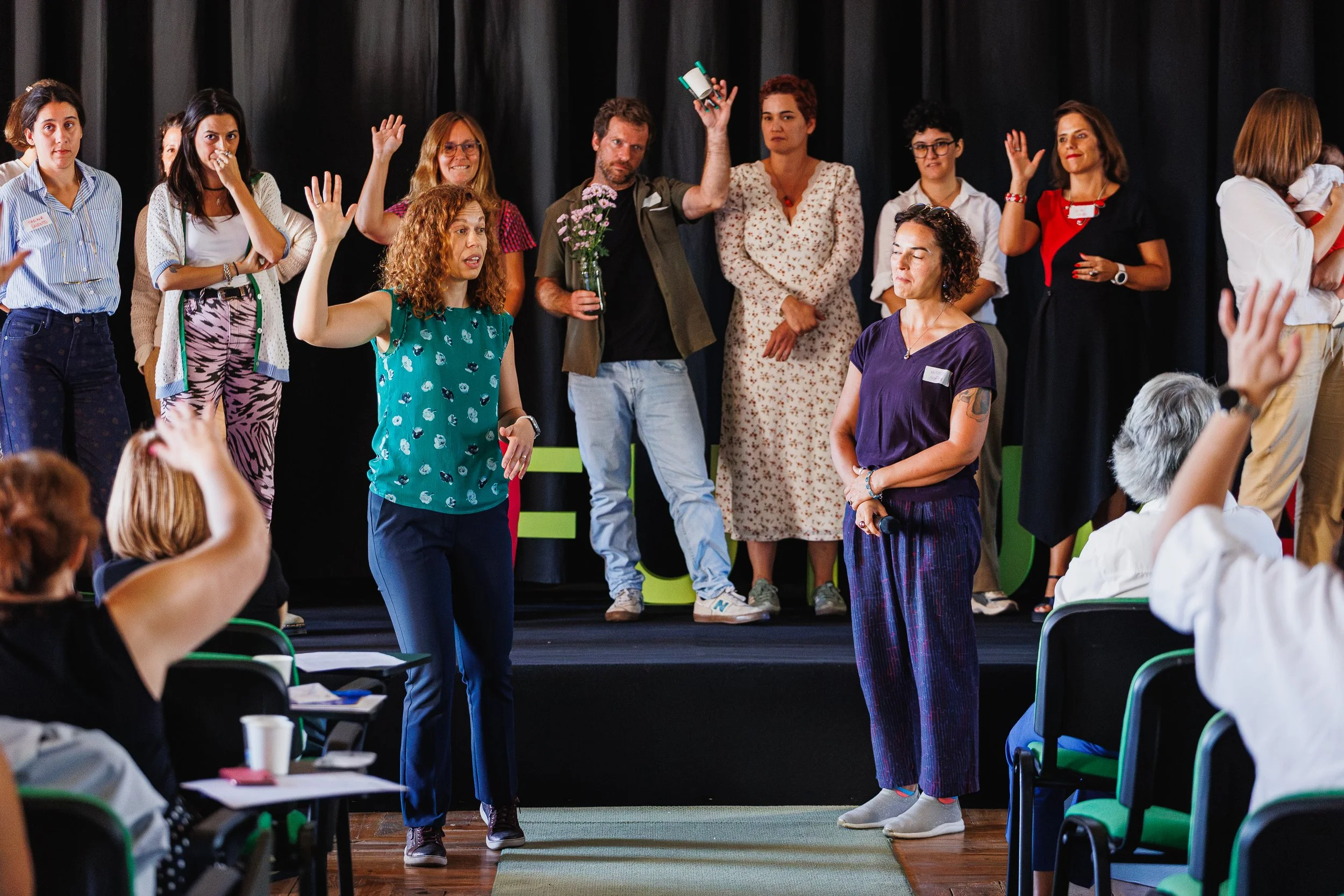
Jon Alexander, author of Citizens, opened the forum with examples of people around the world taking an active role in governing and shaping their communities. Then Katy Rubin, working with the ICS–U Lisboa team, led participants through Legislative Theatre. Participants took part in this participatory, community-based art form that uses drama and roleplay to help citizens and policymakers co-create new laws and policy changes.
Participants acted out the problems behind the Fellows’ two scenarios and drafted their own solutions. The Coimbra report groups the 45 proposals into policy options and identifies who could help put each one into practice.
“How can Coimbra become a participatory-democracy reference by 2050, a place where citizen engagement is not occasional consultation but a permanent operating system for governing hard choices, from housing and mobility to climate adaptation and social cohesion?”
What happens next?
Every Futura Time Machine ends with a map of the city in 2050, co-designed by the people who love it. Coimbra’s proposals show what that future could mean in practice, from giving children a formal voice in city decisions to making the centre easier to walk through.
The report asks, “How can COIMBRA become a participatory-democracy reference by 2050, a place where citizen engagement is not occasional consultation but a permanent operating system for governing hard choices, from housing and mobility to climate adaptation and social cohesion?”
In it, we explore Imagination Driven Policies is a futures portfolio of concrete policy recommendations, co-authored by FUTURA Time Machine fellows and event participants.